Foundry Industry

Usage Areas of Industrial Transfer Carts in Foundry Industry

The foundry industry is highly dependent on the efficient transport of heavy materials during the production process. Industrial transfer carts play an important role in this sector by providing a reliable and flexible solution for the transport of materials and products. In this article, we will explore the various uses of industrial transfer carts in the foundry industry and highlight their importance in terms of increasing productivity and optimising workflow.

INTRODUCTION

The foundry industry is an important sector in the production of metal castings. The production process in foundries requires the movement of heavy materials such as liquid metal, moulds, cores and scrap through various stages. Industrial transfer trolleys are specially designed to efficiently meet the material handling needs in foundries.

THE ROLE OF INDUSTRIAL TRANSFER CARTS IN FOUNDRIES

Industrial transfer trolleys are versatile pieces of equipment used to transport materials in foundries. These trolleys are equipped with wheels or rails and can move in various directions, enabling them to pass through narrow spaces and round tight corners. The main function of transfer trolleys is to transport heavy loads safely and efficiently, which contributes to a smooth workflow in the foundry industry.

MATERIAL HANDLING IN FOUNDRIES

BULK AND BULK OPERATIONS

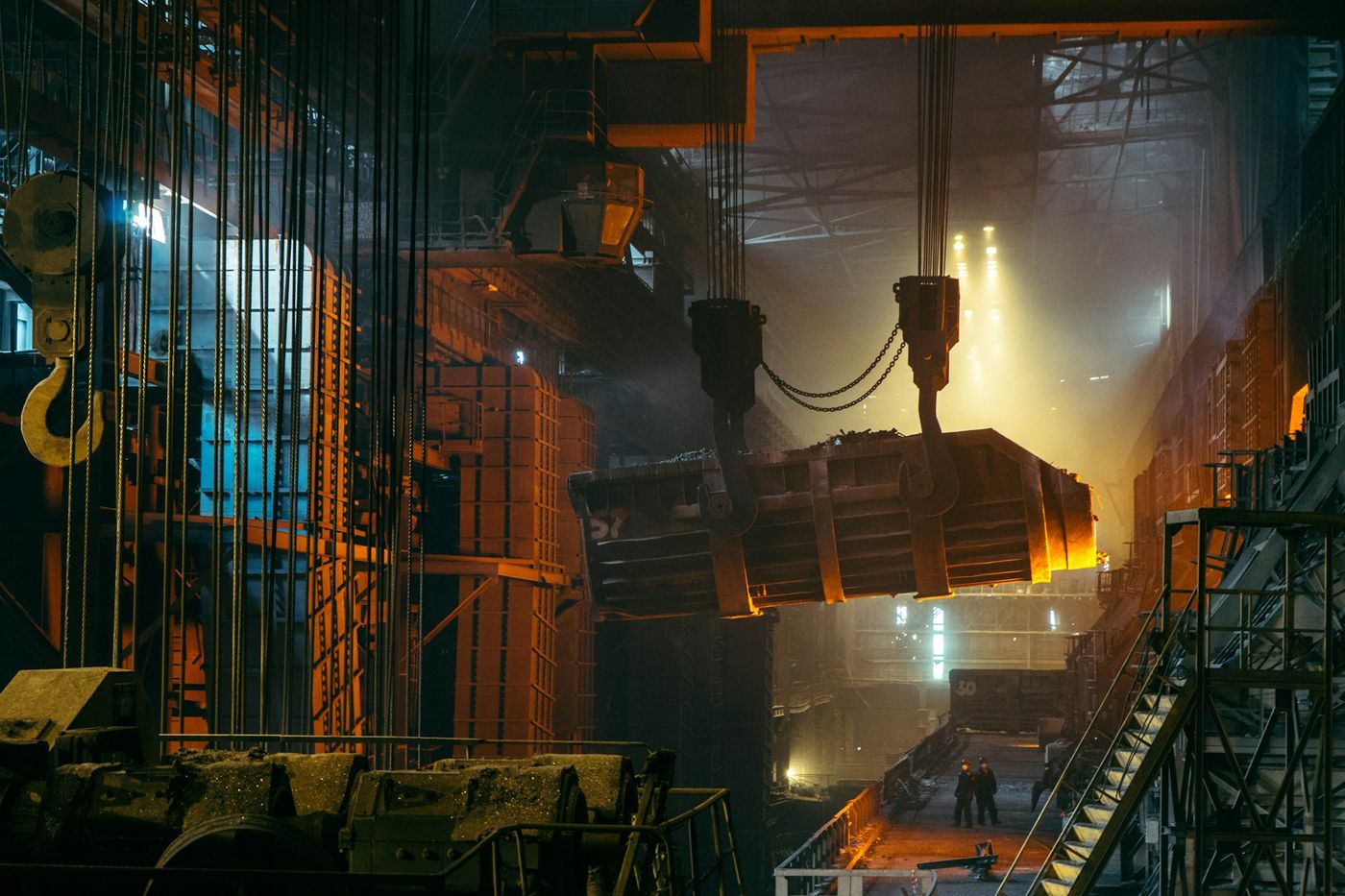
During pouring and pouring operations, industrial transfer carts are responsible for transporting ladles full of pouring containers from the melting furnace to the moulding station. These transfer carts ensure precise and controllable pouring operations, minimising the risk of leakage and improving overall safety.

SCRAP HANDLING

Transfer trolleys play an important role in the transport of scrap material in foundries. They transport scrap materials such as excess metal or defective castings to designated areas for recycling or disposal. Efficient scrap handling helps to maintain a clean and tidy working environment and make the best use of resources.

MOULD AND CORE HANDLING

Industrial transfer carts are used to transport moulds and cores between different stages of the casting process. These trolleys ensure the timely delivery of moulds and cores to the appropriate workstations, minimising delays and optimising productivity.

BENEFITS OF INDUSTRIAL TRANSFER CARTS IN THE FOUNDRY INDUSTRY

INCREASED EFFICIENCY AND PRODUCTIVITY

The use of industrial transfer carts optimises material flow in foundries, reducing manual handling and minimising waiting times. By automating material handling operations, these trolleys enable higher efficiency and increased productivity.

ENHANCED SECURITY

The transfer carts are equipped with safety features such as emergency stop buttons, warning alarm systems and obstacle detection systems. These safety measures provide a safe working environment for foundry personnel by reducing the risk of accidents and injuries.

FLEXIBILITY AND ADAPTABILITY

Industrial transfer carts can be customised to meet different load capacities and the specific requirements of the foundry. They offer flexibility in terms of movement, with the ability to move smoothly through narrow aisles and busy areas.

COST SAVINGS

Efficient material handling with industrial transfer carts saves costs in the long run. By minimising material waste, reducing manual labour and optimising workflow, foundries can achieve higher production output and cost effectiveness.

INDUSTRIAL TRANSFER TROLLEY TYPES USED IN FOUNDRIES

Various types of industrial transfer trolleys are used in the foundry industry, depending on the specific application and operating requirements. These are the following

Rail Transfer Carts: These trolleys run on rails and are guided along a designated route. They are suitable for fixed lines and heavy load transport.

Steerable Transfer Carts: These trolleys offer the ability to be steered manually or via a control system. They are suitable for navigating in narrow spaces and irregular routes.

Battery Operated Transfer Carts: These trolleys run on batteries and provide the advantage of wireless use. It offers flexibility in terms of movement and is environmentally friendly.

Automated Transfer Carts: These trolleys are equipped with automation systems and can operate without human intervention. They can be programmed to perform specific tasks and contribute to increased productivity and reduced labour requirements.

CONSIDERATIONS WHEN CHOOSING AN INDUSTRIAL TRANSFER TROLLEY

Several factors should be considered when choosing an industrial transfer trolley for foundry:

LOAD CAPACITY AND SIZE

The transfer trolley must have sufficient load capacity to carry the required materials. Furthermore, its size must be compatible with the existing workspace and infrastructure in the foundry.

POWER AND CONTROL SYSTEMS

The power supply and control systems of the transfer trolley must be compatible with the operational requirements of the foundry. Factors such as battery life, charging requirements and control interface must be considered.

ENVIRONMENTAL CONDITIONS

Foundries often operate under harsh environmental conditions such as high temperatures, dust and exposure to contaminants. Transfer carts must be designed to withstand these conditions and maintain their performance and durability.

MAINTENANCE AND SAFETY PRECAUTIONS

Regular maintenance and compliance with safety guidelines are important to ensure optimal performance and safety. Foundries should implement the following measures:

REGULAR INSPECTION AND MAINTENANCE

Transfer trolleys should be subject to periodic inspections that include checks on wheels, brakes, electrical systems and other components. Routine maintenance helps to detect and fix potential problems.

OPERATOR TRAINING AND SAFETY GUIDELINES

Operators should be given appropriate training in the safe and efficient use of transfer trolleys. There should be safety guidelines emphasising the importance of using personal protective equipment and following standard operating procedures.

CASE STUDIES: SUCCESSFUL APPLICATIONS OF INDUSTRIAL TRANSFER CARTS IN FOUNDRIES

FOUNDRY A: STREAMLINED MATERIAL FLOW AND INCREASED EFFICIENCY

Foundry A implemented rail guided transfer carts for the handling of ladles and moulds. This change led to a significant reduction in manual handling operations, improved material flow and increased overall productivity. The transfer trolleys allowed for precision pouring and on-time delivery of moulds and cores, resulting in increased productivity.

FOUNDRY B: IMPROVED SAFETY AND ERGONOMICS

Foundry B introduced battery-powered transfer trolleys for scrap handling. This eliminated the need to manually push and pull heavy loads, reducing the risk of musculoskeletal injuries. The transfer trolleys have improved ergonomics and created a safer working environment.

THE FIELD OF INDUSTRIAL TRANSFER CARS IS CONSTANTLY EVOLVING WITH ADVANCES IN TECHNOLOGY. SOME FUTURE TRENDS AND INNOVATIONS INCLUDE

AUTOMATION AND ROBOTIC INTEGRATION

Transfer carts integrated with automation and robotics systems can perform tasks automatically, further increasing productivity and reducing labour requirements.

ADVANCED SENSOR TECHNOLOGY

Transfer carts equipped with advanced sensors can detect obstacles, monitor load conditions and optimise navigation, enabling safer and more precise material handling.

CONCLUSION

Industrial transfer carts play an important role in the foundry industry by providing efficient and safe material transport. Uses include pouring and pouring operations, scrap handling and mould and core handling. The benefits of transfer carts in foundries include increased productivity, improved safety, flexibility and cost savings. When selecting a transfer cart, foundries should consider factors such as load capacity, power systems and environmental conditions. Regular maintenance and compliance with safety rules are important for optimal performance. Successful case studies and future trends demonstrate the continued importance and potential developments in industrial transfer car technology.

FAQ (FREQUENTLY ASKED QUESTIONS)

What is the purpose of industrial transfer trolleys in the foundry industry?

Industrial transfer trolleys are used to transport heavy materials within the foundry, optimising workflow and increasing productivity.

What are the different types of industrial transfer trolleys used in foundries?

The types of transfer trolleys commonly used in foundries include rail transfer trolleys, steerable transfer trolleys, battery transfer trolleys and automatic transfer trolleys.

How industrial transfer trolleys improve safety in foundries

Transfer trolleys are equipped with safety features and minimise the risk of accidents and injuries by reducing manual handling.

What should be considered when choosing an industrial transfer trolley for foundry?

Factors such as load capacity, size, power and control systems and environmental conditions should be taken into account when selecting a transfer trolley.

What are the future trends in industrial transfer carts?

Future trends include the integration of automation and robotics, as well as the use of advanced sensor technology to improve safety and efficiency.