

Veltix - Endüstriyel Transfer Sistemleri
Usage Areas of Industrial Transfer Carts in Iron and Steel Industry
In the fast-paced and demanding environment of the iron and steel industry, efficiency and productivity are key factors for success. Industrial transfer carts play a critical role in optimising material handling processes, ensuring smooth operations and increasing overall productivity. These versatile pieces of equipment are used extensively in the iron and steel industry in various fields of application. This paper explores the application areas of these trolleys, highlighting the importance of industrial transfer carts and their contribution to the success of the iron and steel industry.
INTRO: INDUSTRIAL TRANSFER CARRIERS IN IRON AND STEEL INDUSTRY
Industrial transfer carts, also known as material transfer carts, are specialised equipment designed to transport heavy loads in industrial plants. These trolleys are equipped with wheels or rails and can be operated manually or through automated systems. In the iron and steel industry, industrial transfer trolleys offer an efficient and reliable solution when raw materials, semi-finished products and finished products need to be transported continuously.
In the iron and steel industry, large quantities of raw materialssuch as iron ore, coal and limestone need to be transported to the processing areas. Industrial transfer trolleys exhibit superior performance at this stage by transporting heavy raw materials from storage areas to processing units. The trolleys can be customised with features such as special tilt mechanisms or cranes and facilitate the loading and unloading of raw materials, ensuring a smooth production flow.
Large iron and steel plants usually consist of many production units spread over a large area. Industrial transfer trolleys are widely used for inter-plant material handling, allowing raw materials, semi-finished products and tools to be moved seamlessly between different parts of the plant. These trolleys can be programmed to follow specific routes and schedules, minimising delays and optimising material flow.
Scrap Handling
Scrap metal waste is generated during the manufacturing process. The efficient transport and disposal of this scrap is important for maintaining a clean and safe working environment. Industrial transfer carts equipped with scrap containers or receptacles enable the collection and transport of scrap metal to designated recycling areas or disposal sites. This ensures efficient waste management and reduces the risk of accidents.
COIL AND SHEET TRANSPORT
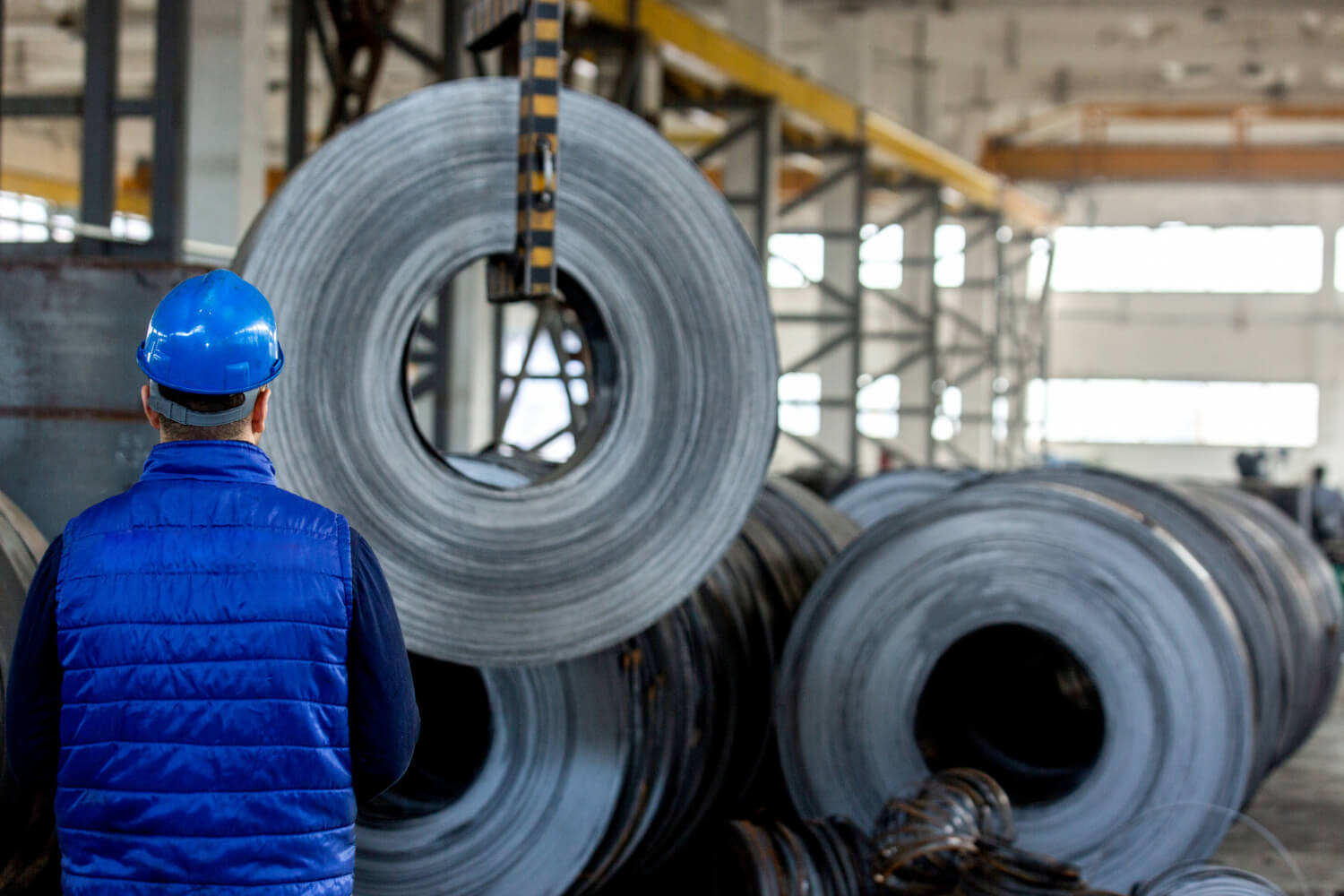
The iron and steel industry makes extensive use of coils and sheets in the production of various products. Industrial transfer trolleys equipped with specially designed stocks or clamps are used for the safe and efficient transport of coils and sheets in the production plant. These trolleys can carry heavy loads, preventing damage to the material and smoothing the flow of material during the production process.
END PRODUCT TRANSPORT
When the production process is completed, the end products must be transported to storage areas or shipping docks. Industrial transfer trolleys play an important role at this stage and ensure reliable transport of end products. These trolleys can be designed to accommodate different types of products and offer safe and efficient transport without jeopardising product quality.
In the iron and steel industry, regular maintenance and repair operationsare important to ensure the proper functioning of machinery and equipment. Industrial transfer carts play an important role in these operations by facilitating the transport of vehicles, spare parts and equipment required for maintenance tasks. The trolleys provide fast and efficient access to equipment requiring repair, reducing work time and maximising productivity.
SAFETY IMPROVEMENTS
In the iron and steel industry, safety is a top priority due to the presence of heavy machinery and hazardous materials. Industrial transfer carts are equipped with safety features such as emergency stop buttons, warning signals and obstacle detection systems to ensure a safe working environment. These features help prevent accidents and injuries, protect the safety of workers and reduce the risk of costly incidents.
ENERGY EFFICIENCY
Efficiency and energy saving are important factors in the iron and steel industry. Industrial transfer carts contribute to energy efficiency by optimising material flow and reducing manual handling. Thanks to automated systems and intelligent control mechanisms, these trolleys follow predetermined routes, minimising unnecessary movements and energy consumption. This results in cost savings and environmental benefits.
SPEEDING UP OPERATIONS
The use of industrial transfer carts speeds up operations in the iron and steel industry. By eliminating the need for manual handling of heavy loads, these trolleys reduce the physical strain on workers and improve overall operational efficiency. Moving materials seamlessly between different stages of the production process minimises bottlenecks and ensures a continuous flow of work, which increases productivity.
INCREASING PRODUCTION FLEXIBILITY
Industrial transfer trolleys contribute to the flexibility of production processes in the iron and steel industry. Their versatility allows the material flow to be reconfigured quickly and efficiently, making it possible for manufacturers to adapt to changing production requirements and optimise resource utilisation. This flexibility increases the industry’s ability to respond quickly to market demands.
CONCLUSION
Industrial transfer trolleys are indispensable tools in the iron and steel industry. From raw material transport to finished product handling, this versatile equipment streamlines operations, improves safety and increases efficiency. By adopting the use of industrial transfer carts, companies operating in the iron and steel industry can achieve operational excellence, efficiently meet customer demands and maintain a competitive advantage in the market.
FAQ (FREQUENTLY ASKED QUESTIONS)
CAN INDUSTRIAL TRANSFER CARS BE CUSTOMISED TO SPECIFIC INDUSTRY REQUIREMENTS?
Yes, industrial transfer carts can be customised to suit the specific requirements of different industries, including the iron and steel industry. Customisations can include elements such as load capacity, size, control systems and additional safety features.
ARE INDUSTRIAL TRANSFER CARS SUITABLE FOR OUTDOOR USE?
Yes, industrial transfer carts can be designed and manufactured to withstand outdoor weather conditions. Equipped with features such as weather-resistant materials, dust protection and robust wheels, optimal performance can be achieved in outdoor environments.
WHAT ARE THE ADVANTAGES OF AUTOMATIC INDUSTRIAL TRANSFER CARS OVER MANUAL ones?
Automated industrial transfer carts offer many advantages over manual carts, such as increased productivity, reduced labour costs, improved safety and precise control over material flow. Automated trolleys can be integrated with other systems such as production planning software, enabling further optimisation of operations.
CAN INDUSTRIAL TRANSFER TROLLEYS BE REMOTELY OPERATED?
Yes, some industrial transfer trolleys can be operated remotely using advanced control systems. Remote operation allows operators to monitor and control the trolleys from a central location, thus increasing safety and flexibility in material handling operations.
HOW INDUSTRIAL TRANSFER TROLLEYS CONTRIBUTE TO COST SAVINGS IN THE IRON AND STEEL INDUSTRY?
Industrial transfer trolleys contribute to cost savings by optimising material flow, reducing manual labour and reducing work downtime. By increasing operational efficiency and intelligently organising processes, companies can achieve higher productivity and reduce operating costs in the long term.