

Veltix - Endüstriyel Transfer Sistemleri
Usage Areas of Industrial Transfer Carts in Automotive Industry
In the rapidly changing automotive industry, efficiency and productivity are important factors for success. One innovative solution that makes a significant contribution to optimising operations in this sector is the use of industrial transfer carts. These versatile and robust tools offer manufacturers the possibility to optimise their processes and increase overall productivity. In this article, we will explore the various uses of industrial transfer carts in the automotive industry.
INTRODUCTION
Industrial transfer trolleys, also known as transfer carts or material handling trolleys, are self-propelled vehicles designed to transport heavy loads in industrial environments. They are fitted with castors, allowing them to move on designated rails or on the workshop floor. These versatile machines can be powered by various mechanisms such as batteries, cables or diesel engines, depending on the specific requirements of the application.
MATERIAL DELIVERY ON TIME
In the automotive industry, where efficient production principles are widely applied, just-in-time material delivery is essential. Industrial transfer trolleys play an important role in this process, efficiently transporting components and materials to the production line exactly when they are needed. These transfer trolleys can follow designated routes, thus ensuring smooth movement in the material flow and minimising delays.
ASSEMBLY LINE INTEGRATION
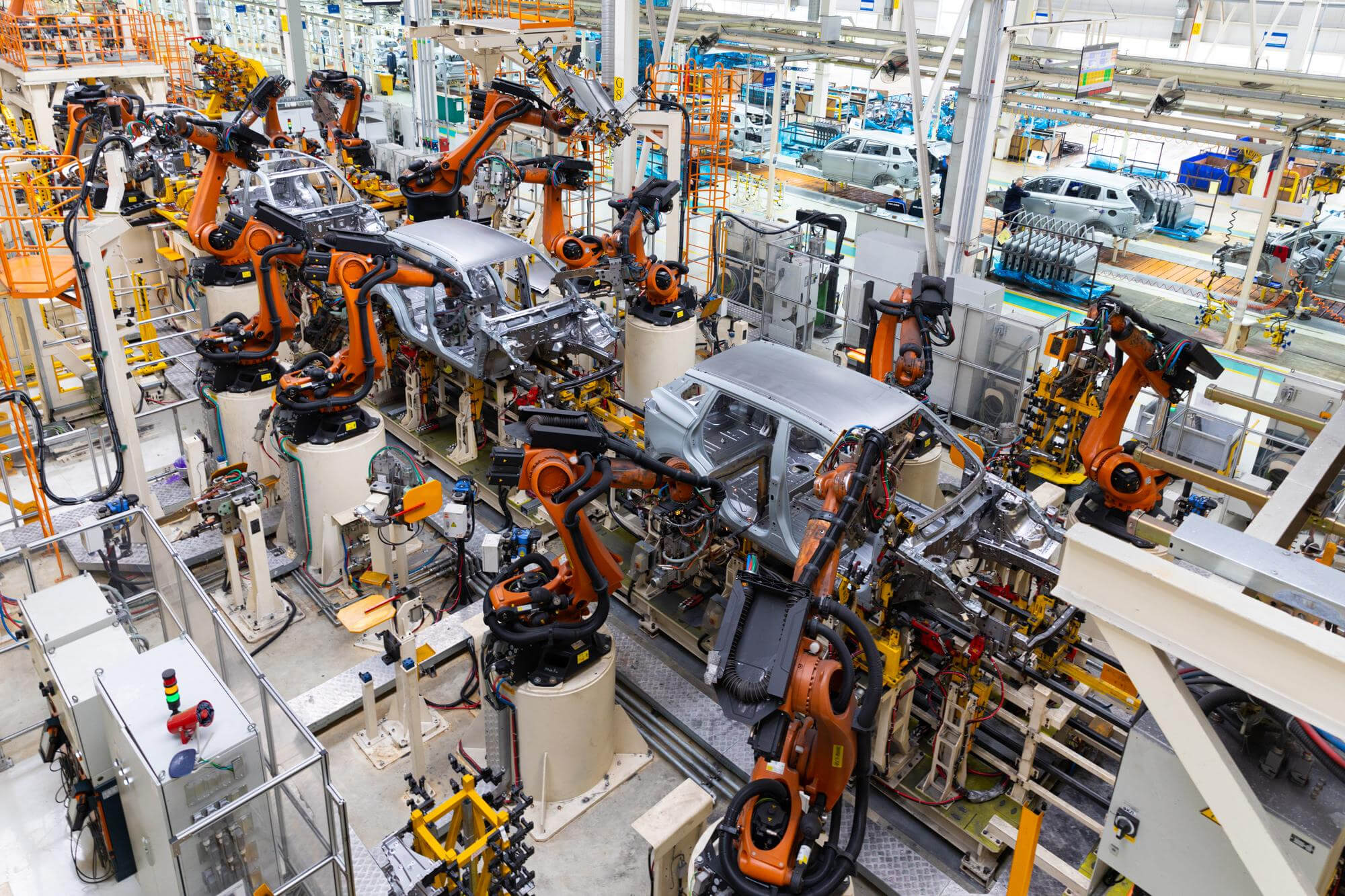
Efficient progression of the assembly line is a critical element of automotive production. Industrial transfer carts can be seamlessly integrated into the assembly line and streamline material flow, reducing manual operations. These transfer carts can move vehicle parts such as engines, chassis and body panels between workstations, enabling a synchronised and efficient assembly process.
HEAVY MATERIAL TRANSPORT
The automotive industry often deals with heavy and bulky materials that need to be carefully handled. Industrial transfer trolleys excel in transporting such heavy loads safely and efficiently. Their robust construction and advanced braking systems prevent damage to materials during transport and ensure stability. This makes them ideal for transporting large components such as engines, transmissions and vehicle chassis.
INTER-FACTORY LOGISTICS
Logistics between different production plants or factories in the automotive industry can be complex. Industrial transfer carts offer a reliable solution for inter-plant material transport. They can transport materials and components between different locations, reducing reliance on external logistics services and minimising delays in the supply chain. These transfer carts can operate both indoors and outdoors, making them versatile for various factory layouts.
WAREHOUSE OPERATIONS
Efficient warehouse operations are important for automotive manufacturers to effectively manage their inventory. Industrial transfer carts can improve warehouse logistics by moving materials between storage areas, production lines and shipping docks. Their flexibility makes it possible to integrate seamlessly with automated warehousing systems, optimising material handling and increasing overall operational efficiency.
SECURITY IMPROVEMENTS
Safety is one of the most important issues in the automotive industry and industrial transfer carts contribute to creating a safer working environment. These vehicles are equipped with advanced safety features such as obstacle detection systems, emergency stop buttons and audible alarms. They can also be designed with ergonomic operator cabins for the comfort and health of the personnel using the transfer carts.
CONCLUSIONIndustrialtransfer carts have become indispensable in the automotive industry and offer significant advantages in terms of efficiency, productivity and safety. Their applications range from just-in-time material delivery to inter-plant logistics and warehouse operations. By integrating these versatile tools into their processes, automotive manufacturers can optimise their operations, streamline material flow and increase overall productivity.
FAQ (FREQUENTLY ASKED QUESTIONS)
Q1: How do industrial transfer carts contribute to just-in-time production?
Industrial transfer trolleys contribute to the timely delivery of materials and components to the production line in line with just-in-time manufacturing principles. By moving materials when they are needed, they minimise delays and optimise the flow of the assembly process.Q2: Can industrial transfer carts carry heavy loads?
Yes, industrial transfer trolleys are designed to carry heavy loads. They are equipped with robust structures and advanced braking systems for the safe transport of heavy and large materials such as engines and vehicle bodies.
Q3: Are industrial transfer trolleys suitable for outdoor use?
Yes, industrial transfer trolleys can be used both indoors and outdoors. Thanks to their versatility, they can move on different grounds and cope with different environmental conditions in the open field.
Q4: How do industrial transfer carts improve safety in the automotive industry?
Industrial transfer carts are equipped with advanced safety features such as obstacle detection systems, emergency stop buttons and audible warnings. These features create a safer working environment and prevent accidents or injuries during material handling.
Q5: Can industrial transfer carts be integrated with automated systems?
Yes, industrial transfer carts can be seamlessly integrated with automated storage systems, assembly lines and other automated processes. This integration optimises material handling operations and increases overall operational efficiency.